
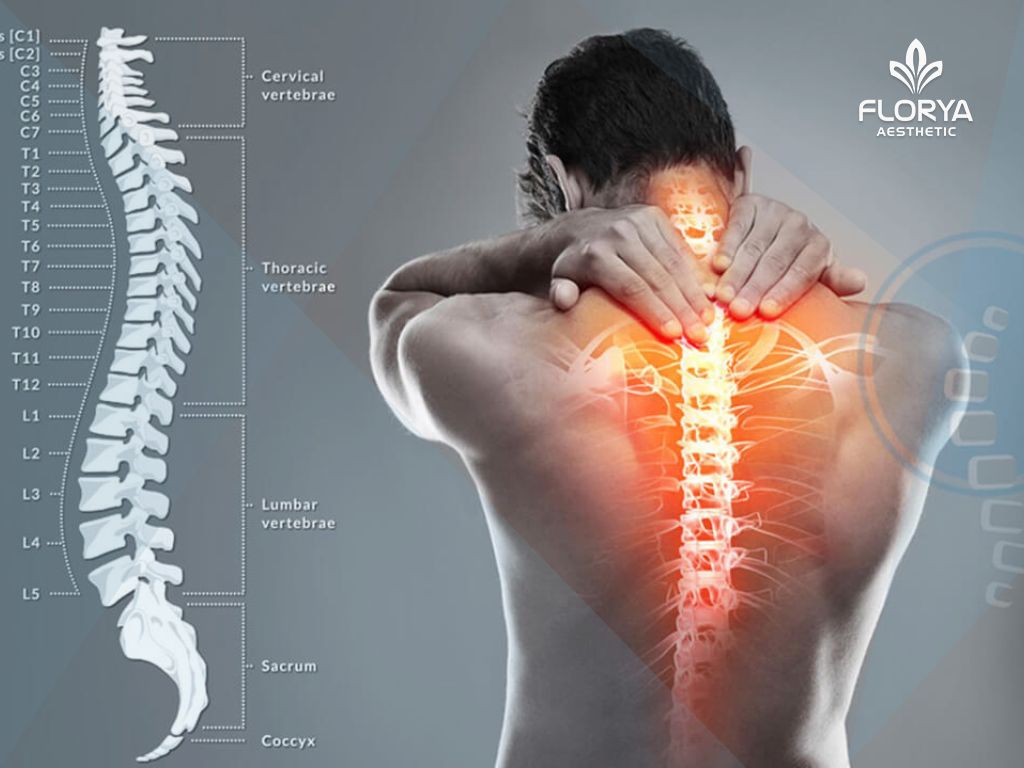
Orthopedic Surgery is that vital medical specialty that focuses on the diagnosis, treatment, and prevention of injuries and disorders affecting the musculoskeletal system. This complex system, which includes bones, joints, ligaments, tendons, muscles, and nerves, is what gives us the ability to move, work, and live independently. When this system is injured due to an accident (trauma) or deteriorates due to a chronic disease, the orthopedic surgeon intervenes to repair the damage, relieve pain, and restore function. Orthopedic surgery is not limited to the operating room; it is a comprehensive specialty that starts with accurate diagnosis, moves through conservative treatments such as physical therapy and injections, and culminates in complex surgical interventions like joint replacement and fracture fixation. The orthopedic surgeon is like a skilled engineer and builder who rebuilds the body’s structure, using their deep knowledge of anatomy and the latest surgical techniques.
This comprehensive and integrated article will cover everything related to the specialty of orthopedic and trauma surgery. We will explore its wide scope, learn about the role of the orthopedic surgeon, delve into the details of the conditions and injuries it treats, review the latest diagnostic and surgical methods, and provide a glimpse into the future of this field that restores hope and movement to millions of people.
What is Orthopedic Surgery?
To clarify the scope of this broad medical field, the specialty of orthopedic surgery is a branch of surgery that deals with conditions involving the musculoskeletal system. This specialty includes the management of acute conditions, such as fractures resulting from trauma, and chronic conditions, such as arthritis and congenital deformities, making orthopedic surgery a diverse specialty that serves patients of all ages:
- Comprehensive Scope: Orthopedic surgery treats everything from injuries in newborns, through sports injuries in young people, to degenerative conditions like arthritis in the elderly.
- Surgical and Non-Surgical Treatment: Contrary to what the name might suggest, a large part of the practice of orthopedic surgery focuses on non-surgical treatments, such as medications, local injections, and physical therapy. Surgery is only resorted to when necessary.
- Precise Sub-specialization: Due to the wide scope of the musculoskeletal system, orthopedic surgeons often specialize in precise sub-fields, such as hand surgery, spine surgery, or joint replacement surgery.
- Focus on Function: The ultimate goal in orthopedic surgery is not only to treat the injury or disease but to restore the function of the affected part to the maximum extent possible, allowing the patient to return to their daily activities and previous quality of life.
The Orthopedic Surgeon
An orthopedic surgeon is a specialized physician who has completed intensive training in diagnosing and treating musculoskeletal problems. Their work requires a unique combination of deep medical knowledge, precise surgical skill, and the ability to solve mechanical problems, making their role pivotal in the field of orthopedic surgery and healthcare in general. Their role is as follows:
- Accurate Diagnosis: The orthopedic surgeon relies on the medical history, a thorough physical examination, and advanced imaging techniques to arrive at an accurate diagnosis, which is the first and essential step in any successful treatment plan.
- Treatment Decision-Making: The orthopedic specialist has the necessary expertise to determine whether a condition requires conservative treatment or surgical intervention and discusses with the patient the available options and the expected risks and benefits.
- Surgical Precision: The orthopedic surgeon is characterized by high-precision manual skills, as they deal with delicate structures such as nerves and blood vessels while performing complex operations to fix fractures or replace joints.
- Comprehensive Care: The role of the orthopedic surgeon does not end with the completion of the surgical procedure but extends to supervising the recovery and rehabilitation phase, and working closely with physical therapists to ensure the best possible functional outcome for the patient.
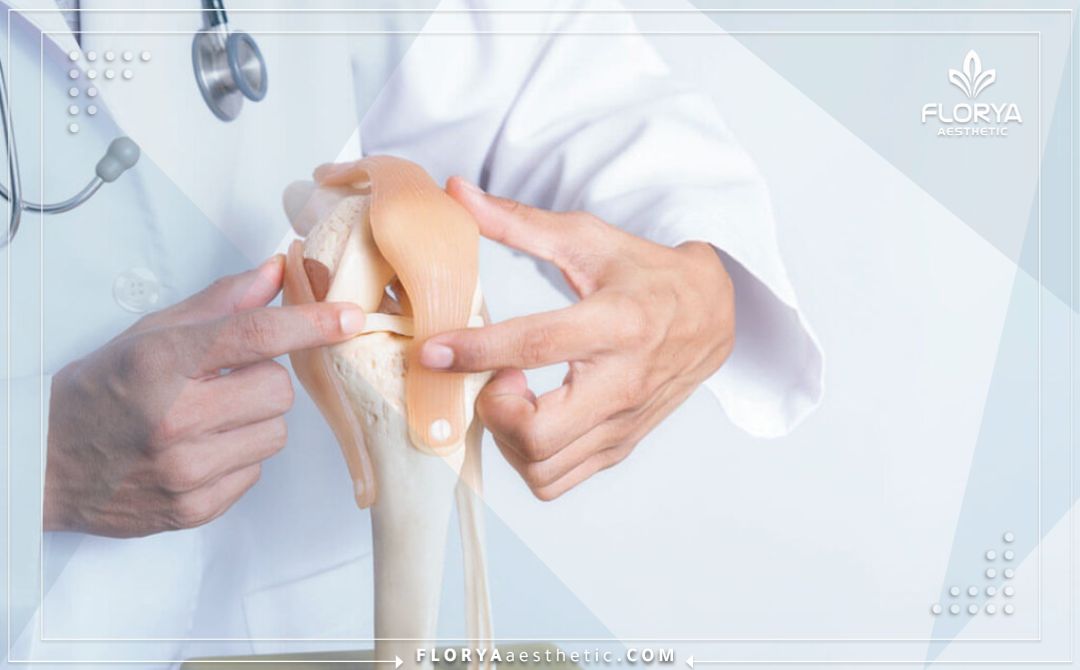
Trauma Surgery in Orthopedics
Orthopedic surgery includes an important field known as trauma surgery. This specialty is concerned with treating injuries resulting from accidents and complex fractures that affect the bones and joints. Doctors in trauma surgery focus on restoring the normal function of the bones and achieving the best therapeutic outcomes for the patient. The tasks of trauma surgery in orthopedics include the following:
- Treating acute and comminuted fractures.
- Stabilizing bones with plates or screws.
- Reconstructing joints after direct injuries.
- Treating severe sports injuries.
- Following up on rehabilitation after operations.
Sub-specialties in Orthopedic Surgery
Due to the great complexity and diversity of the musculoskeletal system, many precise sub-specialties have developed within the field of orthopedic surgery. This precise specialization allows surgeons to focus their expertise and develop advanced skills in treating a specific area of the body or a specific type of condition, which ensures that patients receive the best possible care in orthopedic surgery:
- Hand and Upper Extremity Surgery: This specialty focuses on treating injuries and conditions affecting the hand, wrist, elbow, and shoulder.
- Foot and Ankle Surgery: Specializes in treating fractures, arthritis, and deformities in the foot and ankle.
- Joint Replacement Surgery (Arthroplasty): Focuses on surgeries to replace damaged joints, the most famous of which are hip and knee replacements. This is one of the most important branches of orthopedic surgery for the elderly.
- Spine Surgery: This complex specialty treats conditions such as herniated discs, scoliosis (curvature of the spine), and vertebral fractures.
- Sports Medicine: Specializes in the prevention and treatment of sports and exercise-related injuries, such as anterior cruciate ligament tears and meniscal injuries.
- Pediatric Orthopedics: Focuses on treating musculoskeletal problems in children, such as congenital deformities and growth plate fractures.
- Orthopedic Oncology: A rare specialty that treats benign and malignant tumors (cancer) that affect the bones and soft tissues.
- Trauma Surgery: Surgeons in this field specialize in treating complex fractures and multiple injuries resulting from serious accidents, and it is an integral part of orthopedic surgery.
Conditions and Injuries Treated by Orthopedic Surgery
The orthopedic surgery department treats a very wide range of conditions, ranging from acute and sudden injuries to chronic and progressive diseases. Understanding these conditions helps to realize the importance and diversity of the field of orthopedic surgery in improving patients’ lives:
1. Fractures
Fractures are the most common reason for visiting the orthopedic surgery emergency department. They occur when a bone is subjected to a force that exceeds its ability to withstand, causing it to break.
- Types: Simple (closed) fractures, compound (open, where the bone pierces the skin) fractures, and comminuted (multiple fragments) fractures.
- Treatment: Ranges from casting or splinting to immobilize the fracture and allow it to heal, to surgical intervention to fix the fracture using plates, screws, or intramedullary nails.
2. Arthritis
This is an inflammation that affects the joints and causes pain, stiffness, and swelling. Arthritis is one of the most common conditions that the specialty of orthopedic surgery deals with, especially in the elderly.
- Osteoarthritis: It is the most common type and results from the wear and tear of the cartilage that covers the ends of the bones in the joint.
- Rheumatoid Arthritis: It is an autoimmune disease in which the immune system attacks the body’s joints.
- Treatment: Begins with conservative treatments (medications, physical therapy, injections), and in advanced cases, joint replacement surgery is the final solution.
3. Sports Injuries
These injuries occur during sports or physical activities. The sports medicine department in orthopedic surgery deals with these conditions in a specialized manner.
- Ligament injuries: Such as an anterior cruciate ligament (ACL) tear in the knee.
- Tendon injuries: Such as an Achilles tendon rupture.
- Cartilage injuries: Such as a meniscal tear in the knee.
- Joint dislocations: Such as recurrent shoulder dislocation.
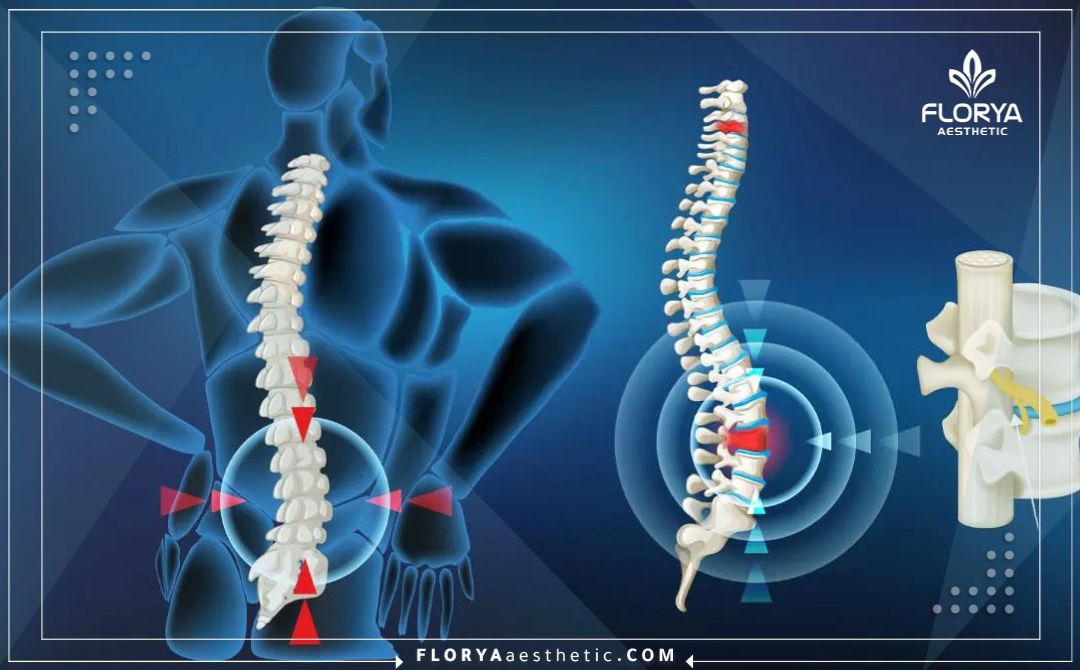
4. Spinal Disorders
Back and neck pain are very common complaints, and the spine branch of orthopedic surgery specializes in treating their causes.
- Herniated Disc: Protrusion of the intervertebral disc, which presses on the nerves and causes pain (sciatica).
- Spinal Stenosis: Narrowing of the space around the spinal cord, which presses on the nerves.
- Scoliosis: An abnormal sideways curvature of the spine.
Diagnosis in Orthopedic Surgery
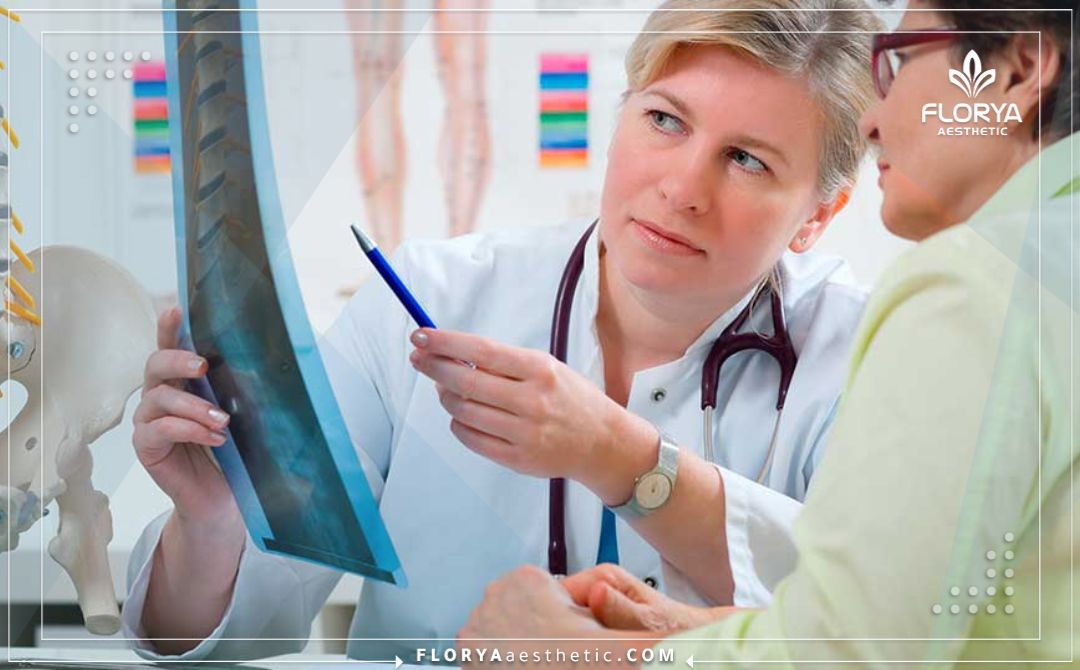
To reach an accurate diagnosis, an orthopedic surgeon uses a variety of diagnostic tools that allow them to assess the structure and function of the musculoskeletal system. The combination of a clinical examination and advanced imaging techniques is the basis of modern practice in orthopedic surgery:
- Physical Examination: It is the first and most important step, where the surgeon assesses the range of motion, strength, stability, and the location of pain.
- X-ray:
- It is the most used diagnostic tool in orthopedic surgery.
- It provides clear images of bones and is excellent for diagnosing fractures, arthritis, and bone deformities.
- Computed Tomography (CT Scan):
- It provides detailed three-dimensional cross-sectional images of bones and surrounding tissues.
- It is used to evaluate complex fractures and to plan precise surgical operations.
- Magnetic Resonance Imaging (MRI):
- It is the best tool for imaging soft tissues such as ligaments, tendons, cartilage, and muscles.
- It is necessary for diagnosing sports injuries, spine problems, and tumors.
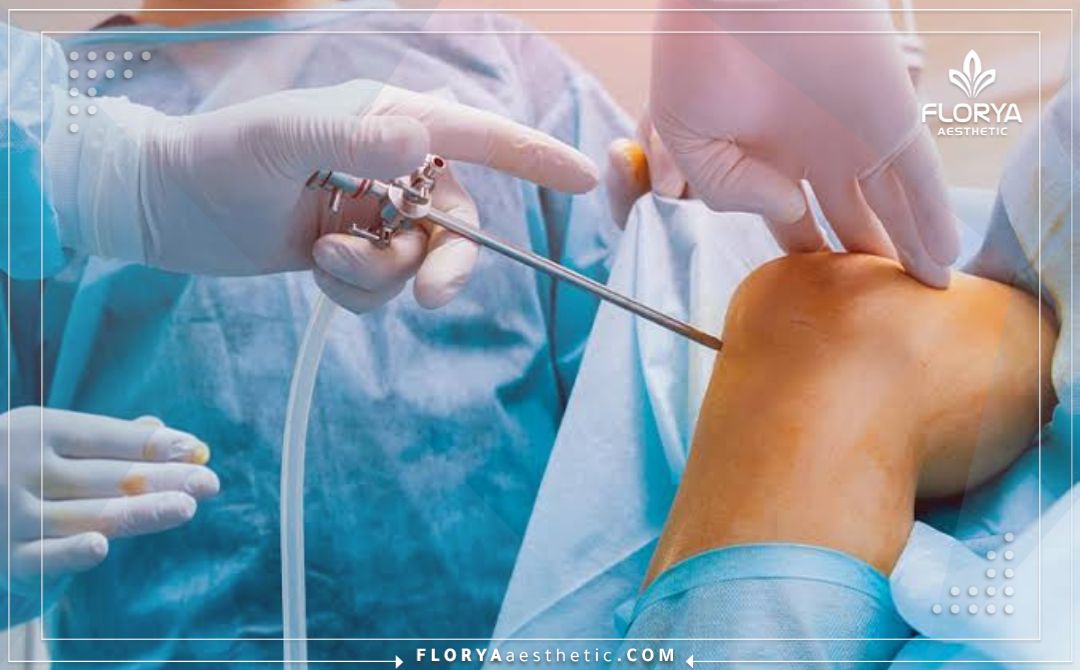
- Diagnostic Arthroscopy:
- A simple surgical procedure in which a small camera (arthroscope) is inserted into the joint to directly see its internal structures.
- It provides an accurate diagnosis of joint problems and can be converted into a therapeutic procedure at the same time.
Treatments and Surgical Procedures in Orthopedic Surgery
The specialty of orthopedic surgery offers a wide range of treatment options, from simple measures to highly complex surgeries. Every procedure in orthopedic surgery aims to relieve pain, restore function, and improve the patient’s quality of life:
Non-Surgical (Conservative) Treatments:
- Medications: Anti-inflammatories, pain relievers, muscle relaxants.
- Physical Therapy and Rehabilitation: Exercises to strengthen muscles and improve range of motion.
- Casting and Splinting: To immobilize fractures or support injured joints.
- Local Injections: Cortisone or hyaluronic acid injections into the joints to relieve inflammation and pain.
Common Surgical Procedures:
- Open Reduction and Internal Fixation (ORIF): A surgical procedure in which the pieces of a broken bone are realigned and fixed with metal plates, screws, and pins.
- Arthroplasty (Joint Replacement Surgery): Removal of a damaged joint and its replacement with an artificial joint made of metal, plastic, or ceramic. Hip and knee replacement surgeries are among the most successful operations in the history of orthopedic surgery.
- Arthroscopy: A minimally invasive surgical technique that uses a camera and precise instruments to perform operations inside the joint through small incisions, such as ACL or meniscus repair.
- Spinal Fusion: A surgical procedure to permanently connect two or more vertebrae together to treat spinal instability or deformities.
Costs of Orthopedic and Trauma Surgery
Procedures in the field of orthopedic surgery are among the operations that can be high-cost, due to the advanced techniques they require, high-quality artificial joints or implants, and a period of hospital stay and rehabilitation care. These costs vary radically between countries and health insurance systems. The following table shows the estimated costs for some common major surgical operations in orthopedic surgery:
| Surgical Procedure | Description | Average Cost (in USD) | Notes |
| Total Knee Replacement Surgery | Removal of the damaged joint and its replacement with an artificial one. | $30,000 – $60,000 | Includes the cost of the artificial joint, surgery, hospital stay, and initial physical therapy. |
| Total Hip Replacement Surgery | Removal of the worn-out hip joint and placing an artificial one in its place. | $32,000 – $65,000 | It is one of the most successful operations in orthopedic surgery, and its cost is similar to knee replacement. |
| Anterior Cruciate Ligament (ACL) Reconstruction | Repair of a torn ACL in the knee using a tissue graft. | $15,000 – $40,000 | A very common operation among athletes. |
| Spinal Fusion Surgery | Fusing two or more vertebrae together to treat instability or a severe herniated disc. | $60,000 – $150,000+ | It is a complex and expensive operation due to its precision and the materials used. |
| Fixation of a Leg Fracture (ORIF) | Surgical fixation of a fracture in the leg bone using a plate and screws. | $20,000 – $45,000 | The cost depends greatly on the complexity of the fracture. |
Prices of Orthopedic and Trauma Surgery
The prices of services and procedures in the field of orthopedic surgery vary greatly. Here is a list of the average prices for some common consultations and treatments that are essential in diagnosing and monitoring orthopedic surgery cases:
- Initial consultation with an orthopedic surgeon: Usually ranges between $200 – $500 USD.
- MRI of a joint (such as the knee): Ranges between $800 – $3,000 USD.
- Cortisone injection in a joint: Ranges between $150 – $400 USD.
- Physical therapy session: Ranges between $75 – $250 USD per session.
- Simple arthroscopic surgery (such as removing part of the meniscus): Ranges between $8,000 – $15,000 USD.
- Casting or splinting for a simple fracture: Ranges between $300 – $800 USD.

The World’s Best Specialists in Orthopedic and Trauma Surgery
The field of orthopedic surgery includes an elite group of surgeons who are considered global references in their precise sub-specialties and have contributed to the development of innovative surgical techniques. Here are five of the most prominent of these doctors:
- Dr. James Andrews:
- Location: Andrews Institute for Orthopaedics & Sports Medicine, Gulf Breeze, Florida, USA.
- Bio: He is considered one of the most famous sports medicine surgeons in the world. He has performed surgeries on many famous professional athletes and is a pioneer in arthroscopic surgery of the elbow, shoulder, and knee.
- Professor Reinhold Ganz:
- Location: Bern, Switzerland.
- Bio: A legendary Swiss orthopedic surgeon, known for developing revolutionary surgical techniques for preserving the hip joint, including the “periacetabular osteotomy” for treating hip dysplasia.
- Dr. Kevin Stone:
- Location: The Stone Clinic, San Francisco, California, USA.
- Bio: A global pioneer in the field of biological joint repair. He focuses on using innovative techniques to rebuild cartilage and ligaments using biological tissues as an alternative to joint replacement.
- Dr. Lawrence Lenke:
- Location: The Daniel and Jane Och Spine Hospital, New York, USA.
- Bio: One of the most prominent spine surgeons in the world, specializing in the treatment of complex spinal deformities in children and adults, such as severe scoliosis and kyphosis.
- Dr. Freddie Fu:
- Location: He serves as the chair of the Department of Orthopaedic Surgery at the University of Pittsburgh Medical Center, Pennsylvania, USA.
- Bio: Dr. Freddie is considered the greatest knee and sports medicine surgeon. He has also revolutionized the understanding and treatment of anterior cruciate ligament (ACL) injuries and its reconstruction techniques.
Best Specialized Centers in Orthopedic and Trauma Surgery
There are hospitals and medical centers that have gained a global reputation for their excellence in providing comprehensive and advanced care in orthopedic surgery, and they have the best experts and the latest technologies. Here are five of these leading centers:
- Hospital for Special Surgery (HSS):
- Location: New York, USA.
- Bio: It is consistently ranked as the best hospital in the world for orthopedic surgery. It is a center that is fully specialized in musculoskeletal health, and is famous for its joint replacement surgeries and sports medicine.
- Mayo Clinic – Department of Orthopedic Surgery:
- Location: Rochester, Minnesota, USA.
- Bio: The orthopedic surgery department at Mayo Clinic provides integrated care for all types of cases, from common injuries to complex tumors, and is distinguished by its collaborative, multidisciplinary approach.
- Schön Klinik:
- Location: Munich, Germany (with other branches).
- Bio: A leading German hospital group specializing in orthopedics and spine surgery. It is famous for its intensive rehabilitation programs and excellent surgical outcomes.
- Rizzoli Orthopaedic Institute:
- Location: Bologna, Italy.
- Bio: A historical and global center of excellence in research and treatment of musculoskeletal diseases, and is an international reference in the field of bone tumors and pediatric orthopedics.
- Royal National Orthopaedic Hospital (RNOH):
- Location: London, United Kingdom.
- Bio: The largest specialized orthopedic hospital in the UK, and has a global reputation for treating complex and rare orthopedic conditions, including bone tumors and peripheral nerve injuries.
Frequently Asked Questions
What is the difference between an orthopedist and a rheumatologist?
An orthopedic surgeon is a physician specialized in the surgical and non-surgical treatment of musculoskeletal injuries and conditions (such as fractures and ligament tears). A rheumatologist is an internist who treats systemic and autoimmune diseases that affect the joints and muscles (such as rheumatoid arthritis and lupus) primarily with medications.
Do all cases require surgery?
Not at all. A large part of orthopedic surgery practice focuses on conservative treatment. Surgery is only resorted to after other less invasive treatments such as physical therapy, medications, and injections have failed, or in acute cases such as severe fractures that require immediate fixation.
How long does it take to recover from a knee replacement surgery?
Recovery varies from person to person, but in general, most patients can walk with the help of a walker or crutches on the same day as the surgery or the next day. Full recovery and a return to most normal activities takes between 3 to 6 months and requires a serious commitment to a physical therapy program.
What is arthroscopic surgery and how does it differ from open surgery?
Arthroscopic surgery is a minimally invasive technique in which the operation is performed through very small incisions using a camera and precise instruments. Open surgery requires a large incision. Arthroscopic surgery is characterized by less pain, smaller scars, and a faster recovery compared to open surgery, and it is very common in sports orthopedic surgery.
Conclusion
In conclusion, it is clear that orthopedic and trauma surgery is an indispensable medical specialty that plays a crucial role in restoring individuals’ lives after injuries and diseases that hinder their movement. Through the skillful combination of precise science and technical skill, orthopedic surgeons can repair what may seem irreparable, relieve chronic pain, and rebuild the structures that support our physical existence. The continuous developments in surgical techniques, biomaterials, and rehabilitation methods promise a brighter future for patients suffering from musculoskeletal problems. Ultimately, the contribution of orthopedic surgery is not limited to repairing bones and joints, but extends to restoring patients’ ability to walk, work, play, and participate in life fully, making it truly a cornerstone of an active and independent life.
- American Academy of Orthopaedic Surgeons (AAOS). (n.d.). Orthopaedics. Retrieved October 27, 2025, from https://orthoinfo.aaos.org/en/diseases–conditions/
- National Institute of Arthritis and Musculoskeletal and Skin Diseases (NIAMS). (n.d.). Orthopaedics. Retrieved October 27, 2025, from https://www.niams.nih.gov/health-topics/orthopaedics
- Johns Hopkins Medicine. (n.d.). What Is Orthopaedic Surgery?. Retrieved October 27, 2025, from https://www.hopkinsmedicine.org/health/treatment-tests-and-therapies/what-is-orthopaedic-surgery
- Cleveland Clinic. (n.d.). Orthopaedic Surgery. Retrieved October 27, 2025, from https://my.clevelandclinic.org/departments/orthopaedics-rheumatology/orthopaedics
- Hospital for Special Surgery (HSS). (n.d.). Conditions & Treatments. Retrieved October 27, 2025, from https://www.hss.edu/condition-list.asp