
Post-Traumatic Bone Reconstruction serves as the critical medical lifeline for restoring function, stability, and mobility to limbs severely damaged by high-impact accidents. At Florya Aesthetic, we implement a comprehensive multidisciplinary approach that combines advanced microsurgery with state-of-the-art orthopedic fixation techniques, offering patients a second chance at an active life through Turkey’s world-renowned medical expertise.
What is Post-Traumatic Bone Reconstruction?
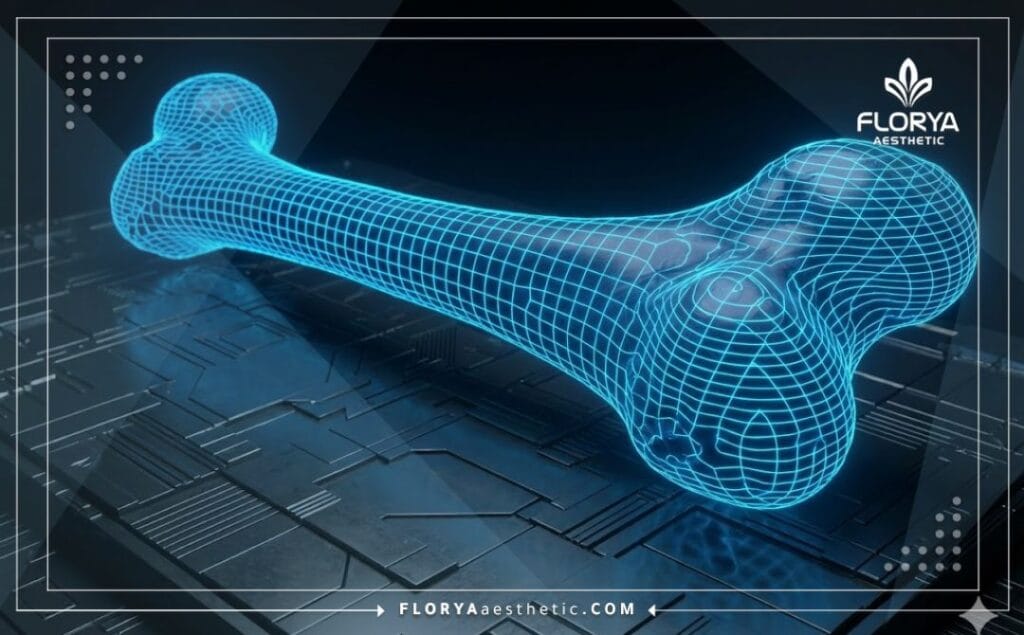
Post-Traumatic Bone Reconstruction is a specialized surgical field dedicated to rebuilding skeletal structures that have been shattered, deformed, or lost due to severe trauma. Surgeons employ advanced methods such as open reduction and internal fixation (ORIF), external fixation frames (like Ilizarov), and bone grafting to bridge gaps and correct alignment. Consequently, Post-Traumatic Bone Reconstruction ensures not just the healing of the bone, but the complete restoration of the limb’s mechanical axis and weight-bearing capacity.
Types of Fractures Requiring Reconstruction
Not every broken bone needs Post-Traumatic Bone Reconstruction; this complex intervention is reserved for critical injuries where standard casting is insufficient.
Medical Indications for Surgery:
- Comminuted Fractures: Bones shattered into three or more fragments.
- Compound (Open) Fractures: Where bone penetrates the skin, risking infection.
- Non-Union: Fractures that fail to heal naturally after several months.
- Malunion: Bones that have healed in an incorrect, deformed position.
- Bone Loss: Significant gaps caused by high-velocity trauma (e.g., car accidents).
- Intra-articular Fractures: Damage extending into the joint surface.
(According to the Cleveland Clinic, early and precise surgical intervention in complex fractures increases the probability of regaining full limb function to over 85%).
Why Choose Florya Aesthetic for Complex Orthopedics?
When seeking a center for Post-Traumatic Bone Reconstruction, Florya Aesthetic stands out as a beacon of medical excellence, merging surgical precision with cutting-edge technology.
Our Core Advantages:
- Computer-Navigated Surgery: Ensuring millimeter-perfect alignment.
- Biocompatible Titanium: Using premium implants that integrate safely.
- Multidisciplinary Teams: Orthopedic, vascular, and plastic surgeons working together.
- Immediate Rehabilitation: Physio protocols starting post-op.
- JCI Accredited Facilities: Adhering to the strictest global safety standards.
- International Patient Support: Handling logistics for incapacitated patients.
Furthermore, we guarantee a transparent treatment plan and continuous monitoring until full recovery, sparing patients the stress of uncertainty.
Cost and Techniques: A Comprehensive Breakdown
The cost of Post-Traumatic Bone Reconstruction in Turkey represents a smart investment, offering savings of 60-70% compared to the UK or USA, without compromising on implant quality or surgical expertise.
Estimated Cost Comparison (EUR):
| Procedure / Technique | Turkey (Florya Aesthetic) | UK / Europe (Average) | USA (Average) |
| Internal Fixation (ORIF) | 4,000 € – 6,000 € | 15,000 € | 25,000 € |
| External Fixation (Ilizarov) | 5,000 € – 7,000 € | 18,000 € | 30,000 € |
| Reconstruction with Bone Graft | 4,500 € – 6,500 € | 16,000 € | 28,000 € |
| Deformity Correction | 6,000 € – 8,000 € | 20,000 € | 35,000 € |
| Total Joint Replacement | 5,500 € – 7,500 € | 18,000 € | 40,000 € |
| Microsurgical Repair | 3,000 € – 5,000 € | 12,000 € | 20,000 € |
| Hospital Stay (Per Night) | Included in Package | 1,000 € | 2,500 € |
| Physiotherapy Sessions | Partially Included | 150 € / session | 300 € / session |
Please note that Post-Traumatic Bone Reconstruction costs depend heavily on the severity of the injury, the number of fractures, and the materials required. A pre-assessment is essential for a final quote.
Surgical Procedure Steps in Detail
The journey of Post-Traumatic Bone Reconstruction is characterized by extreme precision, where every step is pre-planned using 3D imaging to ensure anatomical restoration.
Step-by-Step Surgical Protocol:
- Initial Stabilization: Immediate care to protect soft tissues if acute.
- Anesthesia: General or regional block depending on the injury site.
- Surgical Access: Careful exposure of the fracture site while preserving nerves.
- Reduction: Realigning bone fragments to their natural anatomical position.
- Fixation: Securing bones with titanium plates, screws, or external frames.
- Grafting: Harvesting bone (autograft) or using synthetic substitutes to fill voids.
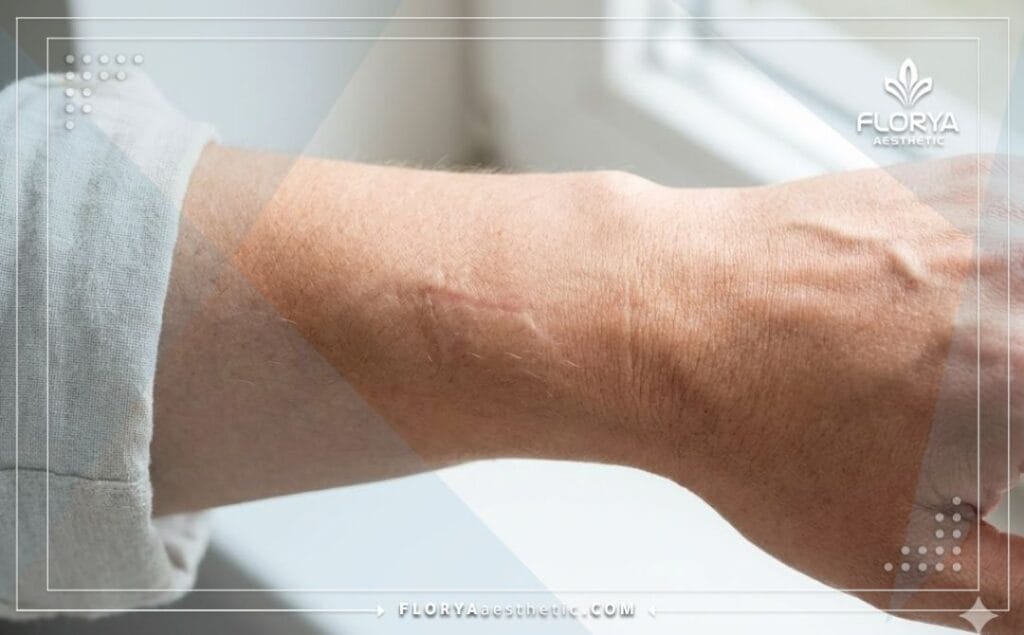
- Closure: Layered suturing to minimize scarring and infection risk.
On the other hand, complex surgeries can take between 3 to 6 hours, requiring high dexterity to maintain blood supply to the healing bone.
“In trauma cases, we are not dealing with a simple broken bone, but a limb at risk of permanent dysfunction. Our mission at Florya Aesthetic is to rebuild this structure with engineering precision, ensuring the patient returns not just to walking, but to living their life without chronic pain.”
— Senior Orthopedic Consultant at Florya Aesthetic
Diagnostic Tests & Preparation
Preparing for Post-Traumatic Bone Reconstruction requires a series of rigorous diagnostic procedures to create a clear roadmap for the surgeon before entering the operating room.
Essential Diagnostics:
- Digital X-Rays: Multi-angle views to identify fracture patterns.
- 3D CT Scans: Crucial for visualizing comminuted (shattered) fragments.
- MRI Scans: To assess damage to surrounding ligaments and tendons.
- Blood Work: Ensuring no underlying infection or clotting issues.
- EMG (Electromyography): If nerve damage is suspected.
- Bone Density Scan: For older patients to assess implant holding power.
(According to the WHO, precise radiological diagnosis prior to trauma surgery reduces the likelihood of needing corrective revision surgeries by 40%).
Pros & Cons: The Honest Perspective
Like any major surgical intervention, Post-Traumatic Bone Reconstruction carries immense benefits for restoring quality of life, but also comes with risks that must be managed wisely.
| Advantages (Pros) | Risks (Potential Challenges) |
| Restoration of Function and mobility. | Infection Risk (Osteomyelitis). |
| Prevention of Disability or amputation. | Non-Union (failure to heal) in rare cases. |
| Relief from Chronic Pain caused by instability. | Implant Rejection (rare with titanium). |
| Correction of Deformity and limb length. | Joint Stiffness near the fracture site. |
| Faster Return to daily life vs. casting. | Temporary Nerve Damage during surgery. |
Consequently, choosing an expert surgeon and a sterile hospital environment is the deciding factor in maximizing benefits and minimizing risks.
Medical Packages & Rehabilitation Services
Post-Traumatic Bone Reconstruction packages at “Florya Aesthetic” provide holistic solutions that extend beyond surgery to include the critical phase of physical rehabilitation.
Comprehensive Package Details:
- VIP airport pickup (ambulance transfer if required).
- Accommodation in accessibility-friendly hotels.
- 24/7 private nursing and medical companionship.
- Intensive physiotherapy sessions immediately post-op.
- Provision of assistive devices (crutches, wheelchairs, braces).
- High-protein, calcium-rich nutrition plans to boost bone healing.
We understand that healing from complex fractures requires psychological and logistical support, which is why we handle every detail so you can focus on recovery.
Common Myths vs. Facts
Surrounding Post-Traumatic Bone Reconstruction, several misconceptions exist that can cause unnecessary fear in patients; here, we scientifically correct the most common myths.
Top 3 Myths Debunked:
- Myth: Metal implants will always set off airport security alarms.
- Fact: Modern titanium implants rarely trigger security gates, and we provide a medical implant card for travel verification.
- Myth: Surgically reconstructed bone is weaker than natural bone.
- Fact: Once fully healed, the bone is as strong as the original, and often stronger at the callus (fusion) site.
- Myth: Plates and screws must be removed after a year.
- Fact: Hardware is only removed if it causes pain or irritation; the majority of patients live with them permanently without issues.
Therefore, it is vital to source information from orthopedic specialists rather than unverified anecdotes.
Recovery Timeline & Physical Therapy
The recovery journey following Post-Traumatic Bone Reconstruction involves specific physiological stages requiring patience and adherence to the rehab protocol.
Expected Healing Stages:
- Weeks 1-2: Pain management and initial mobilization of non-injured joints.
- Weeks 3-6: Soft tissue healing and formation of “soft callus” (new bone).
- Months 2-3: Partial weight-bearing on the injured limb (with crutches).
- Months 4-6: Full weight-bearing and intensive muscle strengthening.
- One Year: Complete bone remodeling and return to unrestricted activity.
Ideally, physical therapy is not a luxury but an integral part of Post-Traumatic Bone Reconstruction to prevent joint stiffness and muscle atrophy.
Patient Stories: Returning to Movement
Success stories of Post-Traumatic Bone Reconstruction inspire many who have lost hope of walking again, reflecting the power of modern medicine at Florya.
Omar’s Story (Motorcycle Accident):
“I suffered a shattered tibia and femur. Doctors at home said I would limp forever. I came to Turkey, and the Florya team reconstructed my leg using the Ilizarov method and internal plates. The journey was long, taking 6 months, but today I am running again as if nothing happened.”
Sarah’s Story (Fall from Height):
“The fall crushed my ankle joint. I underwent a complex reconstruction and joint surface rebuilding. I was terrified of the pain, but the medical team was amazing at pain management and rehab. Now, I can walk in heels at events without any issues.”
Safety Standards & Infection Control
We enforce strict sterilization protocols during Post-Traumatic Bone Reconstruction, as bone infection (Osteomyelitis) is a severe complication that must be prevented at all costs.
Safety Measures Implemented:
- Operating rooms equipped with Laminar Flow air systems.
- Double-autoclave sterilization of instruments with biological monitoring.
- Prophylactic IV antibiotics administered one hour before incision.
- Use of specialized surgical “Space Suits” for major joint surgeries.
- Total isolation of the surgical field to ensure zero microbial entry.
(According to the WHO, adherence to global sterilization standards in orthopedic surgery reduces hospital-acquired infection rates by up to 70%).
Pro Tips: The Insider 💡
As an expert in this field, I offer you the distilled advice regarding Post-Traumatic Bone Reconstruction in a direct, practical tone to ensure the best healing.
Expert Advice:
- Smoking is the Enemy: Listen, smoking cuts off blood supply to new bone. If you want your bone to fuse, you must stop smoking completely during treatment.
- Vitamin D & Calcium: It’s not just talk; you must take your supplements regularly. Eating eggs and cheese is essential for building bone “cement.”
- Don’t Rush Walking: “Haste makes waste.” If the doctor says non-weight bearing, do not step on it! Early pressure can snap the plate or screw.
- Physio Hurts but Works: The pain of exercise is far better than the pain of a stiff joint that might never unlock if you neglect it.
Differential Analysis: Surgery vs. Cast
When comparing Post-Traumatic Bone Reconstruction via surgery against traditional conservative treatment (casting), fundamental differences dictate the patient’s future quality of life.
Comparison Breakdown:
- Conservative Treatment (Cast):
- Best for: Simple, non-displaced fractures.
- Outcome: Prolonged immobility, muscle atrophy, risk of malunion.
- Surgical Reconstruction (Fixation):
- Best for: Comminuted, open, and intra-articular fractures.
- Outcome: Early mobilization, restoration of length, precise healing, faster return to work.
Consequently, in cases of high-energy trauma, surgery is not a cosmetic choice but a functional necessity with no viable alternative.
Booking & Logistics
Initiating your Post-Traumatic Bone Reconstruction starts with immediate communication, as we recognize that time is a critical factor in treating trauma.
Steps to Start Treatment:
- Send current X-rays and medical reports via WhatsApp/Email.
- Case review by the Medical Board to determine the intervention plan.
- Issuance of an urgent medical visa invitation (if required).
- Arrangement of ambulance transport from the airport for immobile patients.
- Immediate hospital admission procedures upon arrival.
Our team is ready to mobilize quickly to save the limb and provide superior medical care.
Conclusion
In conclusion, Post-Traumatic Bone Reconstruction represents the true opportunity to restore hope and mobility after devastating injuries. At Florya Aesthetic, we place the expertise of skilled orthopedic surgeons and the latest global technologies in your hands to ensure you return to your normal life with strength and stability. Do not let an injury define your future; the medical solution exists at the highest standards.
Are you or a loved one in need of an urgent assessment for a complex fracture? Contact us now for an immediate medical consultation.
Frequently Asked Questions
Will I walk normally after the surgery?
Post-Traumatic Bone Reconstruction aims for full functional restoration. Thanks to modern techniques and precise fixation, most patients return to walking normally after complete healing and rehabilitation. A slight impairment may persist in severe crush injuries, but the goal is maximum efficiency.
Is the surgery very painful?
Post-Traumatic Bone Reconstruction is performed under general or spinal anesthesia, so the patient feels nothing during the procedure. Post-operatively, we use PCA (Patient-Controlled Analgesia) pumps and strong painkillers to ensure comfort. Pain subsides gradually as tissues heal.
Do I need to remove plates and screws later?
Post-Traumatic Bone Reconstruction hardware does not require removal unless specific issues arise: if they protrude under the skin, cause pain in cold weather, or restrict joint movement. The vast majority of patients live with them permanently without a second surgery.
How long is the treatment period in Turkey?
The hospital stay for Post-Traumatic Bone Reconstruction typically ranges from 10 to 21 days, depending on the complexity of the case and the need for monitoring. Afterward, the patient can return home with a strict follow-up schedule for physiotherapy and remote check-ups.